Independent thinking starts with an informed question.

AMARANTE / THE LONGEVITY SERIES

What if living longer begins with living differently?

Five very different communities helped spark a worldwide conversation about ageing well. Explore the places, the everyday habits—and what the evidence really tells us.

An education-first guide. No miracle formulas, and no promises of living to 100.

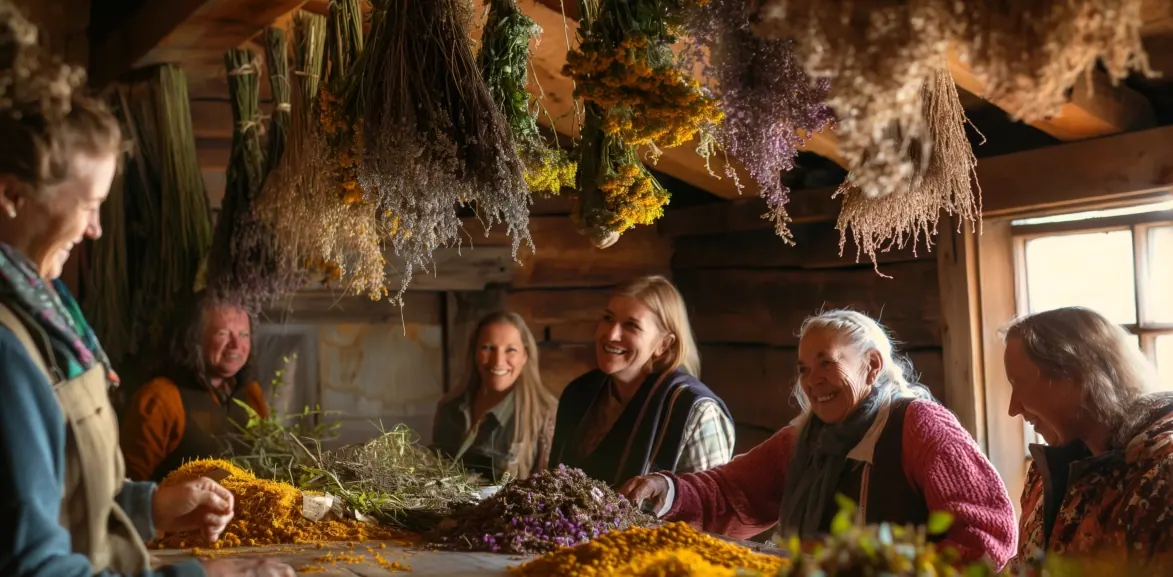
Friends sharing a moment around a market table of colourful plants and herbs
LONGEVITY IS ABOUT MORE
THAN WHAT'S IN A BOTTLE.
ISSUE 01 / THE BLUE ZONES
05famous original locations
100+years is a question, not a guarantee
01powerful idea: your surroundings matter

THE BIG IDEA

What exactly is a Blue Zone?

The term Blue Zone originally described a small region in Sardinia where demographic researchers mapped unusually high survival to advanced ages. The popular Blue Zones project later featured five places with stories of remarkable longevity: Sardinia, Okinawa, Nicoya, Ikaria and Loma Linda.

They are not all alike. Diets, cultures, geography and quality of evidence differ. But they invite a compelling question: how much of healthy ageing is shaped by ordinary days—and by the communities around us?

Take a trip around the world

FIVE PLACES / FIVE PERSPECTIVES

A world of long-lived stories.

Tap a location to explore what made it interesting to researchers—and what is still uncertain.

THE LONGEVITY ATLASSELECT A LOCATION
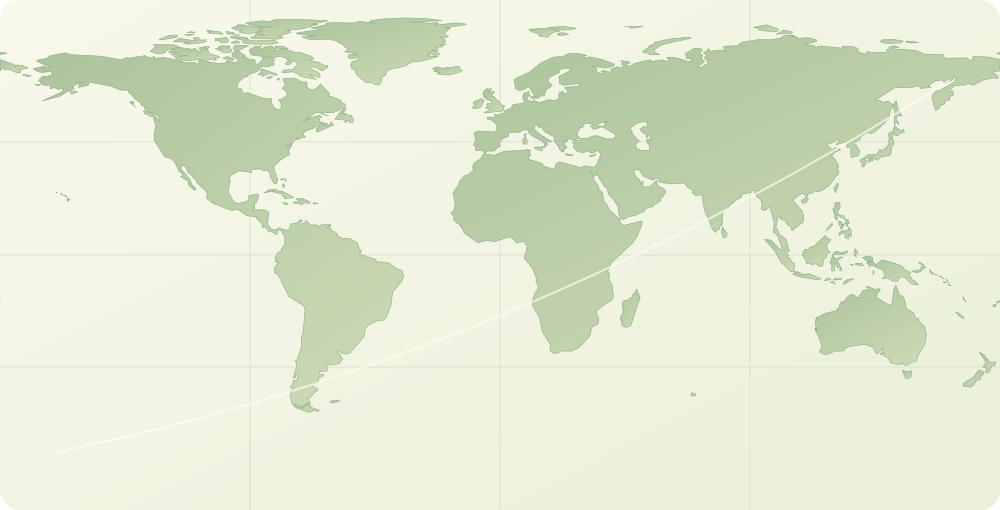
Stylized world map with five interactive location markers
◌   Each marker is one of the five locations highlighted by the popular Blue Zones project.SCHEMATIC WORLD MAP
01 / 05

ITALY · OGLIASTRA HIGHLANDS

A long view from the mountains.

In Sardinia’s inland highlands, researchers documented an unusual concentration of people reaching very old ages, especially among men in certain birth cohorts. Traditional life often included hilly terrain, daily physical work, close family networks and foods such as beans and whole grains.

THE IDEA TO TAKE HOME

A day built around useful movement and meaningful roles can look different from a workout plan.

THE IMPORTANT NUANCE

The longevity signal concerns specific communities and generations—not every resident of Sardinia.

Terrain · family · daily movement

These are the five places featured by the popular Blue Zones project, not a claim that all five have equally strong demographic validation. A 2026 scoping review identified differences in evidence across the regions. See how we interpret the research.

THE HABITS BEHIND THE HEADLINES

It may be less about a secret.
More about a setting.

Six recurring themes are worth investigating—not because copying them guarantees longevity, but because many align with broader public-health advice.

01 / THEME

Movement

Walk, garden, climb stairs, carry groceries. Everyday opportunities often matter as much as planned exercise.

ONE SMALL IDEA

A walk outdoors after a meal.

02 / THEME

Plants on the plate

Beans, vegetables, whole grains, nuts and fruit appear repeatedly in descriptions of traditional diets.

ONE SMALL IDEA

Add beans or lentils to one meal.

03 / THEME

Close connections

Strong relationships can make daily life richer and provide practical support during hard periods.

ONE SMALL IDEA

Arrange a phone call or shared meal.

04 / THEME

Purpose & belonging

Meaningful work, family roles, volunteering and community participation give days shape.

ONE SMALL IDEA

Make time for someone or something meaningful.

05 / THEME

Recovery & pace

Protecting rest, slowing down and having moments of calm may make habits more sustainable.

ONE SMALL IDEA

Create a wind-down ritual before bed.

06 / THEME

The environment

Access to food, green spaces, supportive people and safe places to walk shapes what is possible.

ONE SMALL IDEA

Make one healthy choice more convenient.

A note about the “Power 9” and alcohol.

The Blue Zones brand describes nine lifestyle themes, including a historic reference to drinking wine with friends. This is not a reason to start drinking: the World Health Organization says even low alcohol consumption carries health risks. Social time can happen over tea, coffee or water. Read the WHO guidance ↗

THE NUTRITION CONNECTION

Food, nutrients & the bigger picture.

Some traditional diets described in the Blue Zones feature vegetables, beans, whole grains, nuts and other nutrient-rich foods. Explore the nutrients behind everyday functions—and when a supplement might be worth discussing. Each card links to an Amarante guide.

Important distinction: These nutrients support normal human biology; that does not mean that residents of Blue Zones use these supplements, or that taking them will reproduce their longevity. Food patterns, movement, relationships, genetics, environment and access to care all matter.

Explore by health interest

16 topics shown

INGREDIENT GUIDE

Magnesium

Muscle & nerve function

Supports normal muscle and nerve function, blood-pressure regulation and bone formation. A supplement may be relevant when intake is insufficient.

Food first: Seeds, beans, greens.

Food first; certain medicines and kidney disease change safety.

Explore Magnesium ↗
INGREDIENT GUIDE

Omega-3

Heart & cell membranes

ALA is essential; EPA and DHA are components of cell membranes. Eating fish can support a heart-healthy dietary pattern. High-dose triglyceride treatment is medical care, not a longevity shortcut.

Food first: Fish, walnuts, chia, flax.

Fish oil is not proven to make healthy people live longer.

Explore Omega-3 ↗
INGREDIENT GUIDE

Vitamin D

Bone & muscle health

Helps absorb calcium and supports bone and muscle function. Adequate intake matters, especially in people at risk of deficiency.

Food first: Fortified foods, fish, eggs.

High doses are not automatically better.

Explore Vitamin D ↗
INGREDIENT GUIDE

Vitamin K2

Bone biology

Vitamin K is needed for normal blood clotting and proteins involved in bone health. K2 supplements have not been shown to prevent ageing.

Food first: Fermented foods, cheese; greens supply K1.

Consult a clinician before changing vitamin K intake when using warfarin.

Explore Vitamin K2 ↗
INGREDIENT GUIDE

Vitamin C

Tissue repair & antioxidant function

Essential for collagen formation, normal immune function and protecting cells from oxidative damage. Benefits from extra doses beyond adequacy are less certain.

Food first: Citrus, peppers, berries.

Megadoses are not a substitute for a varied diet.

Explore Vitamin C ↗
INGREDIENT GUIDE

Selenium

Thyroid & antioxidant enzymes

Supports thyroid hormone metabolism and antioxidant enzymes. Deficiency matters; excessive supplemental selenium can be harmful.

Food first: Seafood, eggs, grains, Brazil nuts.

More is not better; Brazil nuts can supply very high amounts.

Explore Selenium ↗
INGREDIENT GUIDE

CoQ10

Cellular energy

Naturally present in cells and involved in mitochondrial energy production. Supplement studies target specific conditions, but longevity benefits have not been established.

Food first: Fish, meat, nuts.

No convincing evidence that routine CoQ10 supplementation extends lifespan.

Explore CoQ10 ↗
INGREDIENT GUIDE

Curcumin

Plant compounds under study

The main curcuminoid in turmeric is being studied for inflammatory pathways. Human trials do not establish that supplements prevent ageing or chronic disease.

Food first: Turmeric in food.

Some concentrated products have interaction and liver-safety concerns.

Explore Curcumin ↗
INGREDIENT GUIDE

Bio Quercetin

Plant flavonoids

Quercetin occurs in fruits and vegetables and is being researched for cellular effects. Clinical benefits from supplemental formulations remain uncertain.

Food first: Onions, apples, berries.

Absorption claims do not prove better health outcomes.

Explore Bio Quercetin ↗
INGREDIENT GUIDE

SAMe

Methylation pathways

SAMe is a compound the body makes and uses in biochemical reactions. It is studied for several conditions, not for increased lifespan.

Food first: Made by the body.

May interact with antidepressants; avoid assuming it is a routine wellness supplement.

Explore SAMe ↗
NEW GUIDE

Vitamin B12

Blood, nerves & DNA

Needed for healthy nerve and blood cells and DNA formation. Low B12 can cause anaemia and neurological problems; risk of poor absorption rises with age.

Food first: Fish, eggs, dairy, fortified foods.

Plant-only diets need a reliable fortified food or supplement source.

Explore Vitamin B12 ↗
NEW GUIDE

Calcium

Bones & muscle movement

Needed for bone strength, muscle contraction and nerve signalling. The priority is adequate total intake; whether extra calcium supplements prevent fractures is less certain.

Food first: Dairy, calcium-set tofu, greens.

Consider total intake and individual risk before supplementing.

Explore Calcium ↗
NEW GUIDE

Potassium

Blood pressure & nerves

Helps with normal fluid balance, nerve signals and muscle contraction. Potassium-rich foods alongside less sodium can support healthy blood pressure.

Food first: Beans, potatoes, vegetables, fruit.

High-dose supplements can be dangerous with kidney disease or certain medicines.

Explore Potassium ↗
NEW GUIDE

Dietary fibre

Gut & metabolic health

Fibre supports bowel regularity. Soluble fibre can help lower LDL cholesterol; fibre-rich foods are also important components of healthy dietary patterns.

Food first: Beans, lentils, oats, fruit, vegetables.

A fibre supplement can help a specific gap but does not replace whole foods.

Explore Dietary fibre ↗
NEW GUIDE

Folate (B9)

Cell growth & DNA

Folate supports DNA synthesis and cell division. Adequate intake is essential; high supplemental folic acid can conceal B12-related anaemia.

Food first: Leafy greens, lentils, fortified grains.

High-dose folic acid is not a proven longevity therapy.

Explore Folate (B9) ↗
NEW GUIDE

Probiotics

Specific gut effects

Certain well-studied strains can help in particular digestive conditions; effects depend on the exact organism and situation. No universal healthy-ageing effect has been shown.

Food first: Some live-culture yogurts, fermented foods.

Not all fermented foods contain proven probiotic strains.

Explore Probiotics ↗
Start with food, not a supplement stack. Nutrient adequacy is important, but benefits from additional supplements depend on deficiency, age, medicines and medical conditions. High doses can cause harm. We link to research and identify where evidence is uncertain. For personal decisions, ask a qualified health professional.

MAKE IT YOUR OWN

Try a week of small changes.

You do not need to move to a distant island. Choose a few approachable, low-pressure experiments you can adapt to your own ability, circumstances and preferences.

The question isn’t “How do I get to 100?” It’s “What might make an ordinary Tuesday a little healthier and more connected?”

Your selections are saved only in this browser. No account, tracking or personal health profile.

YOUR 7-DAY EXPLORER

0 / 7 completed
Small actions count. Pick one that works for you.

EVIDENCE BEFORE HYPE

The science is more interesting
than a miracle claim.

The responsible story includes both the excitement of exceptionally long-lived communities and questions about what causes those patterns.

WHAT RESEARCH SUPPORTS

There are real longevity signals worth studying.

A 2026 review of 65 records reported elevated longevity indicators in areas of Sardinia, Okinawa and Nicoya compared with national or adjacent populations. Studies and demographic analyses continue to examine which populations, birth cohorts and environments show these patterns.

Healthy dietary patterns, physical activity and social conditions are important research themes, and many are independently relevant to public health.

WHAT WE CANNOT CONCLUDE

Correlation is not a recipe for living to 100.

Observing habits in long-lived populations does not prove that any single habit caused their longevity. Genes, healthcare, historical circumstances, age-record verification, migration and changing local diets complicate comparisons.

Research depth varies by region; the 2026 scoping review noted a lack of qualifying studies for Loma Linda as a geographical Blue Zone. No supplement has been shown to recreate a community’s longevity.

Our Amarante lens

We use the Blue Zones to spark worthwhile questions about lifestyle and community. We do not use them as evidence to sell a pill, imply that a single diet is universally optimal, or make promises about lifespan.

Our research standards →

CURIOUS MINDS ASK

Good questions
about Blue Zones.

Here are a few important distinctions before adopting any longevity headline.

Are Blue Zones places where everyone lives to 100?

No. They refer to certain populations with unusually high survival to advanced ages compared with relevant reference groups. Most residents do not reach 100.

Do all five places have equally strong evidence?

No. Studies differ by place and period. The commercial Blue Zones project lists five familiar regions, while demographic research uses stricter validation criteria and sometimes identifies different or additional places.

Is there one “Blue Zones diet”?

No. Traditional food patterns vary by geography, availability, generation and culture. Legumes and plant foods recur, but their presence does not by itself prove the cause of a region’s longevity.

Can supplements recreate the effect?

No clinical evidence establishes that a supplement can reproduce the population-level longevity of any Blue Zone. Nutrients can have legitimate uses in specific circumstances, but should be evaluated on their own evidence and safety.

Is it ever too late to build a healthier routine?

Healthy habits may be valuable at many ages, though what is safe and realistic depends on personal circumstances. Consider a manageable change in movement, food, rest or connection—and seek professional advice for individual medical needs.

KEEP ASKING QUESTIONS

Go straight to the sources.

Want to dig deeper? These links include the project’s own description, demographic research, scientific reviews and independent health guidance.

Amarante is not affiliated with Blue Zones, LLC. “Blue Zones” and “Power 9” are used here descriptively for educational discussion. This page was prepared as a general-information guide in November 2026, not as personal medical advice.

Nutrition fact sheets: NIH Office of Dietary Supplements — nutrient fact sheets ↗ · MedlinePlus — dietary fibre ↗. These explain nutrient functions, evidence, and safety without implying that supplements cause Blue Zone longevity.

STAY CURIOUS

Better questions.
Better everyday choices.

Understanding longevity means looking beyond shortcuts. Keep exploring the people, patterns and research that shape a healthier life.